

A few days ago the Song Scarborough Fair kept running through my mind. It reminded me of my daughter teasingly calling one of my favorite herb blend my "Scarborough Fair" blend. I hadn't even thought about it, but I had all those herbs growing in my garden, and I combined them often. The following article came about as a result.
Are You Going to Scarborough Fair Parsley, sage, rosemary and thyme. . .
So goes the song “Scarborough Fair”. For some today it may just be words, but those four herbs were common, easily obtainable and essential for the health and well being of the people in the middle ages. I don’t find much reference for their use as culinary herbs, but they are antibacterial, antifungal, antiseptic, carminative, sedative, stimulant, tonic, rejuvenative vermafuge, vulnerary. Some contain all those properties.

During the middle ages parsley was used as a poison antidote. It was also thought to ward off drunkeness. The poison antidote is understandable as the leaf is a powerful kidney cleanser. The leaves, root and seeds are all used in modern herbalism, but only the leaf should be used without the direction of a professional. The diuretic properties of the leaf make it useful for treatment of high blood pressure.
A poultice may be made of parsley to treat bruises, sprains and insect bites.
Growing sage in the mediaeval garden was a sign of prosperity. If sage flourished in the garden it was
 considered a sign that the woman ruled the house. There is an old saying “Why should a man die who has sage in his garden”. Sage is a panacea meaning it is good for any thing that ails you. It has been used for centuries by cultures all over the world for smudging. Although among primitives this was done to drive out evil spirits, many modern day cultures burn sage in their medical clinics to cleanse and disinfect.

The leaf is made into a tea to treat respiratory and digestive ailments among other things. This tea can be use topically for a hair rinse to alleviate oily scalp and dandruff. There are many other medicinal uses for sage.
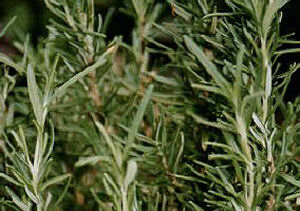
During the sixteenth century Europeans carried pouches of rosemary to ward off the plague. It was used as a strewing herb in public places to ward off disease and infection. Today we use it to improve memory, increase circulation, relieve depression, stress, headache, anxiety and fatigue.
Rosemary can be made into a tea for a hair rinse to alleviate dandruff, dry scalp and to strengthen the hair follicles. The dried herb is put into pillows to promote sleep and pleasant dreams.
Roman soldiers used thyme as a bath herb to give them courage. It was often burned as incense. In that era
 incense was used to fumigate. Thyme was burned to deter scorpions. It was used to treat snake bite and the sting of poisonous insects. Today it is used to deter bacterial, fungal and viral infections. Thyme is warming to the lungs and taken internally can help with respiratory ailments like whooping cough, flu, colds etc.
Topically thyme is used to kill lice, crabs and scabies. It is still used topically to treat insect bites. It is also helpful in treating athlete’s foot, and ringworm.
These herbs are all used as culinary herbs today and using them regularly can help build your immune system and make you healthier in general. There are many more medicinal uses for all of them.


